Uncategorised

Terpenes and The Benefits They Add to CBD

CBD, and CBD terpenes, have risen to gargantuan levels of fame thanks to widespread media attention, celebrity love, and being praised by the internet. It’s no longer taboo to be a part of the marijuana club.

However, CBD isn’t the only miracle compound to hatch out of industrial hemp plants.

Hemp is a treasure trove of healthy cannabinoids, flavonoids, and terpenes – all of which have tremendous therapeutic potential for the human body.

While isolate formulas only contain CBD, full-spectrum products contain other useful extracts like CBD terpenes that are beneficial to health.

This is known as the entourage effect, in which terpenes and phytocannabinoids complement one another for an improved therapeutic effect. It’s all backed up by preclinical and clinical data, which can be found here.

This is why we’re a little biased towards full-spectrum CBD products because the synergistic effect of using multiple terpenes along with CBD tends to yield more effective results.

We’re not pushing you to change your preferences, but a cursory glance at the health benefits might convince you. It’s strange why they’re not nearly as popular as CBD.

What Are CBD Terpenes?

Terpenes are aromatic organic hydrocarbons characterized by their strong smell, and they’re used by plants to ward off predators that might eat them.

Here’s a mind-boggling terpenes fact: Over 200 different strains of terpenes have been identified in the cannabis plant alone. Most people are already very familiar with terpenes since they are found in abundance in various essential oils. Limonene, for instance, is found in the essential oil of lemons. Beta-pinene and alpha are found in the essential oil of pine needles.

Terpenes are responsible for giving cannabis their fragrant flavors and smells. Check out the following seven terpenes and the health benefits they add to CBD.

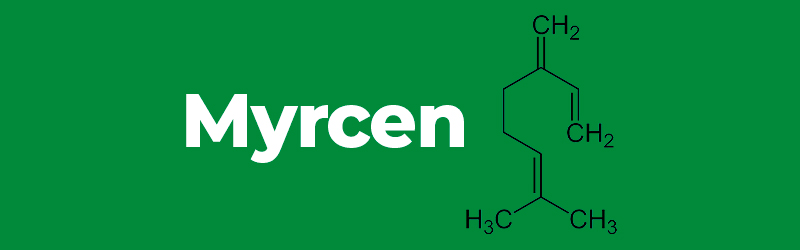
Chemical structure of the terpene Myrcen. CBD terpenes. terpenes cannabinoids benefits. Buy vapes and cbd oil online UK.

Chemical structure of the terpene Myrcen. Source

1. Pain and Inflammation: Myrcene

This delicate and naturally occurring molecule has a fruity taste and musky aroma. Myrcene is the most abundant terpene in hemp, composing an average of 50% or more of the total terpene content.

A March 2015 study on osteoarthritis demonstrated that myrcene has anti-catabolic and anti-inflammatory properties. It slowed, and in a few cases halted, the destruction of the cartilage responsible for osteoarthritis. A 2011 study published in the British Journal of Pharmacology found that myrcene helped diminish inflammation in mice. It also acted as a sedative, relaxing their muscles and aiding with sleep.

Myrcene has been shown to act as a regulator, which can enhance the effects of CBD. Some consumers of cannabis are known to eating mangoes rich in myrcene to intensify their experience. A study conducted by Sleep Hill Labs found that myrcenes allow more cannabinoids to be absorbed into the brain. These studies establish the properties of myrcene as an antibiotic and sedative with antispasmodic qualities.

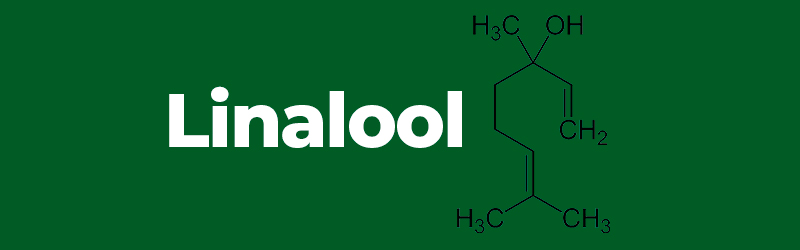
Chemical structure of the terpene Linalool. hemp terpenes benefits. Buy CBD vapes online UK.

Chemical structure of the terpene Linalool. Source

2. Stress and Anxiety: Linalool

Linalool has been the go-to choice for people experiencing chronic depression and anxiety. It has been described by experts as a ‘stress fighting machine.’ Most of us know linalool from the distinct scent of lavender. Researchers found that linalool helped rats reduce their stress levels.

Since stress and depression are closely related, linalool can help people reduce symptoms of depression. A study was conducted on rats coping with crippling depression. Rats that had linalool in their systems were able to curb life-threatening situations.

Furthermore, it has been found that linalool can be used to fight off infections in plants and flowers. However, further research will be required to see how linalool can help with infections in humans. Linalool has practical use as an anti-epileptic. A 2010 study on anticonvulsant activity found that linalool has potential use in treating seizures brought about tans-corneal electroshock.

People have used lavender essential oils for thousands of years to get good quality sleep. This property is attributed to linalool. In a study of 31 people, researchers found that sniffing lavender helped volunteers get high quality of sleep and feel fully recharged the next morning.

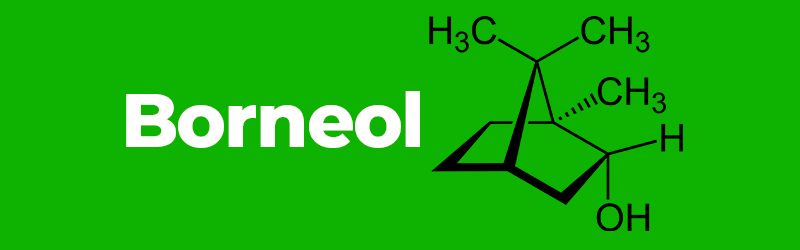
Chemical structure of the terpene Borneol. terpene facts. Buy vapes online UK.

Chemical structure of the terpene Borneol. Source

3. Cardiovascular Diseases: Borneol

Borneol is the terpene that promotes cardiovascular health and improves digestion (by stimulating gastric juices). It eases breathing by improving lung function and effective treats bronchial symptoms, this makes borneol ideal for patients suffering from asthma and bronchitis. Borneol has been used in ancient medicine as a topical treatment for various applications, including hemorrhoids. Perhaps more importantly, borneol helps amplify the entourage effects.

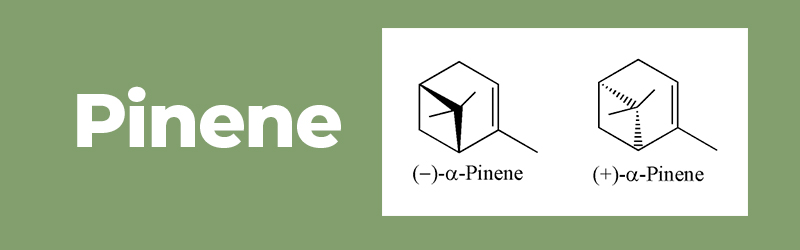
Chemical structure of the terpene Pinene. Buy CBD vape cartridges online in UK.

Chemical structure of the terpene Pinene. Source

4. Anti-bacterial Properties: Pinene

By far the most abundant terpene in the world is pinene. It has two further types: alpha and beta. Alpha pinene is responsible for giving pine trees their distinct signature scent. Alpha pinene is the more dominant Pinene in hemp. Research shows that pinene possesses advanced anti-microbial properties that can treat viral infections and kill life threatening bacteria.

Pinene can be used to treat bronchitis, a dangerous health condition that is difficult to treat because of the body’s natural resistance to antibiotics. Pinene also has the ability to kill a very contagious superbug known as MRSA or Methicillin-resistant Staphylococcus aureus. This superbug has eluded scientists because it has shown resistance to many commonly used antibiotics.

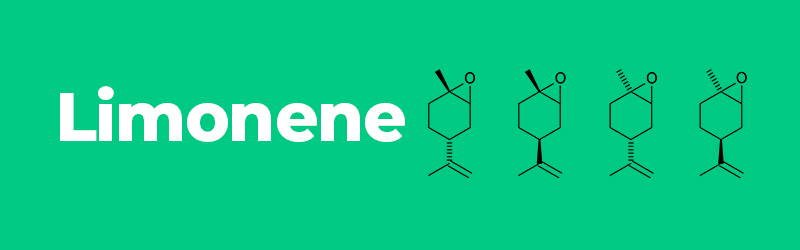
Chemical structure of the terpene Pinene. Buy hemp oil online UK.

Chemical structure of the terpene Pinene. Source

5. Gastrointestinal Problems and Cancer: Limonene

While limonene has shown anti-inflammatory and anti-oxidant properties, its most promising use is in the treatment of gastrointestinal problems. Studies have shown that limonene assists in the healing of mucous cells in the digestive tract.

It also increases absorption rates of other terpenes located throughout the body. A study found that those who consumed citrus fruit peel (a major source of limonene), had lower risks of developing skin cancer compared to those who discarded the peel.

This hints that limonene might have something to do with preventing cancer. Another study on rodents found that limonene prevented the growth of skin tumors due to its anti-inflammation and anti-oxidant properties.

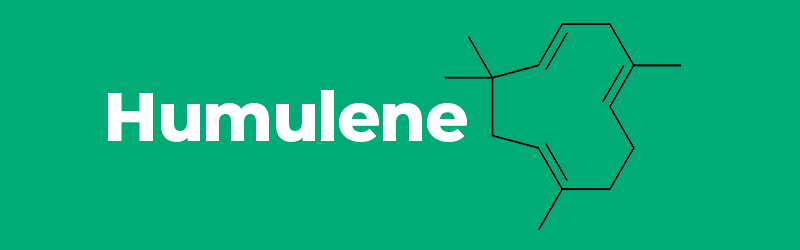
Chemical structure of the terpene Humulene. Buy hemp oil cartridges online UK.

Chemical structure of the terpene Humulene. Source

6. Preventing Cancer: Humulene

Humulene is the terpene that can kill cancer cells. It’s the molecule responsible for a pungent aroma in basils, cloves, ginsengs, sages, and hops. Humulene has powerful anti-cancer properties that have been closely documented in a 2003 study on tumor cell lines.

The findings showed that humulene produces reactive oxygen species (ROS) which oxidize cancer cells and slowly killing them in a process known as apoptosis. The anti-cancer properties become even more potent, up to 50 percent by some estimates, if you combine humulene with beta-caryophyllene (another terpene found in hemp).

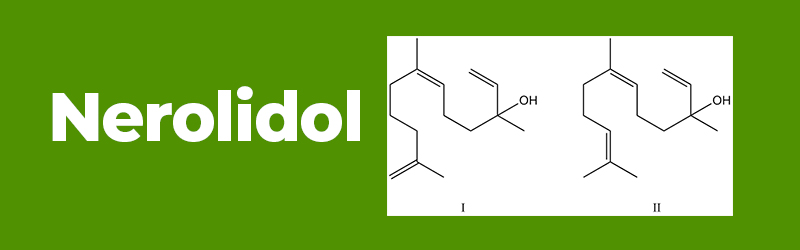
Chemical structure of the terpene Nerolidol. Buy hemp oil uk.

Chemical structure of the terpene Nerolidol. Source

7. Insomnia: Nerolidol

Nerolidol is a secondary terpene in hemp plants. It has sedative properties that can be used to treat insomnia. Other medical applications for terpene include its use as an antiparasitic, antimicrobial, and antifungal compound. Clinical trials have shown that nerolidol enhances water-based applications by a factor of 200. Nerolidol can be used to heal skin lesions.

Ready To Try The Benefits of Terpenes in CBD Oil?

Do you happen to be looking for CBD products packed with lots of terpene content? Look no further than DrHerb! We specialize in bringing you the best CBD products in the market! All our CBD and terpenes are sourced from naturally grown high quality-hemp.

Click here to shop our range of full-spectrum hemp products at discounted prices! Place an order today so you have our hemp goodies delivered to your doorstep!

What is CBD and how should i consume it?

CBD oil is similar to multivitamins, taking its time to produce its benefits within the body. Therefore whilst consumption of CBD does not reveal immediate effect on one’s symptoms, continuous usage will eventually result in a balanced calm and peaceful disposition. Some persons may notice quicker and more effective results than others would.

CBD oil being similar to vitamins, it helps to support and maintain the overall health and well-being of an individual. If one’s endocannabinoid system is depleted or imbalanced, the consumption of CBD will alleviate many of the health issues and symptoms and help produce positive changes quite rapidly.

The good news is that CBD is totally safe and almost risk free. To date CBD has no reported contradictions and very minimal side effects. Also to date there is not a single case of anyone who has overdosed on CBD oil or on any CBD products. CBD is most adaptable to the human body and works most efficiently, when it is directly absorbed into the bloodstream, exactly like any other potent pain medications or analgesics.

Therefore CBD is mostly administered by spraying or using drops with a sprayer or dropper respectively, under the tongue as this method helps the CBD to be absorbed into the bloodstream almost immediately. Certain types of CBD products are more potent than others; for example CBD vapes as opposed to CBD tinctures.

However it is important for users to have the knowledge and understanding that both these products; namely CBD oil tinctures and CBD vape liquids are two totally different types of products and should be to be consumed differently. For vaping CBD vape liquids, one must ensure these products were specifically manufactured for the purpose of inhalation.

Whereas, sublingual CBD tinctures contain certain compounds not suitable for inhalation as they are produced using different methods.

Placing CBD tinctures under one’s tongue is very effective as the substance completely bypasses the digestive route and will be directly and quickly absorbed into the bloodstream through the tissues under the tongue, contrary to general understanding that anything that is orally digested should go through the digestive process.

However the most commonly used method is using the CBD dosage via sublingual drops and this is most popular for those persons familiar with CBD oils.

CBD oil dosage is always best calculated by milligrams.

Therefore irrespective of how one consumes CBD; that is whether one is vaping CBD vape liquids, or placing CBD oil tinctures below the tongue, or taking CBD capsules, or smoking CBD dominant Cannabis or merely consuming CBD edibles, it is imperative that one must always keep track of the quantity of CBD one is ingesting into one’s body at any given time.

Most people are not aware of the fact that there is a limit to the dosage of CBD oil or products they should consume and as a result may take more than what is required.

Healthy individuals may not notice an immediate effect of CBD in their system. However they may notice that other people they know who are not as healthy may consume higher doses of CBD and reveal instant changes. But this means that because these healthy individuals possess a healthy endocannabinoid tone, they do not need higher or stronger doses.

Also please make note that CBD oils can also be ingested in dogs suffering from pain related diseases, such as arthritis etc.

How much cbd is in a single drop of oil

Dropper bottles are the most popular containers used for CBD oil tinctures. The label must always display the quantity in each dropper bottle by per milligrams in each drop.

The same criterion applies to CBD sold in spray bottles. The label must display the dosage in milligrams in each ‘shot’, which is equivalent to one spray, below the tongue.

However, please make note that CBD oil is available in a variety of concentrations and sizes. Therefore please make note of the strengths in each bottle when purchasing the same. For example a 10ml bottle of CBD oil can either have 300 mg of CBD strength or 500 mg of CBD strength.

Therefore as a general reference point, this is how it is calculated:

  • One drop of CBD is roughly equivalent to 0.05ml.
  • Therefore if one is purchasing a 15ml bottle with 100mgs of CBD strength, then consuming 20 drops of the oil will be 1ml which will provide you 7mg dose of the CBD oil.
  • However if one is using a highly concentrated CBD product, 20 drops will be equivalent to 1ml which is equivalent to 50mg dose of the CBD

Another important factor to remember is that when administrating the CBD oil drops under one’s tongue, one needs to hold it there for a minimum of 60seconds up to 90 seconds. This permits the oil to be fully absorbed under the tissues of the tongue into the bloodstream

The product label will indicate clearly under instructions as to how long one should hold the oil under the tongue.

Important dosage considerations

The following factors, generally determines the best CBD dosage:

Concentration The concentration of the oil means the strength of the CBD in a given product. The strength or concentration is measured in Milligrams (mg). This should not be mistaken for the dosage. Dosage is indicated by the amount of CBD per serving.

For example a bottle of CBD oil tincture containing 30 millilitres (ml) of tincture has a concentration of 1500 milligrams (mg), with 1 ml as the standard serving quantity; then each of these 1ml serving will contain approximately 50mg of CBD. Therefore please note the consumer is not ingesting 1500mg with each dosage.

Body Weight: Each person is unique and different in every shape form and build-up and hence each person will experience the effects, different from one to the other. As such, CBD oil dosage depends on one’s physiology. How much or how little CBD impacts upon a person is also due to the person’s body weight. Heavier people may require higher doses and lighter people require lighter doses to experience the same standard of calming effects of CBD.  One’s sex and age should be taken into consideration as well. Please check the CBD oil dosage chart below.

Desired Effect: The desired effect of CBD is is dependent on the severity of pain and discomfort that the individual is experiencing. A person with good endocannabinoid tone won’t need as much oil and they would experience only subtle effects. On the other hand a person with pressing health issues would need higher levels of CBD dosage to balance and tone the endocannabinoid system. The ideal dose is calculated accordingly. A person suffering from habitual long lasting pain or harsh levels of anxiety and stress would require higher dosage of CBD to dispel these symptoms. However someone with mild conditions would be able to alleviate the symptoms with lower dosage and less pronounced after effects.

Tolerance: It is imperative for CBD consumers to be aware that frequent usage of the product will reduce the effects when using the same quantity of dosage over and over again for a long period of time. Therefore higher dosage may be required subsequently to achieve the desired results. Although it must be noted that CBD is generally regarded as less prone to tolerance compared to THC

First time CBD users should use the points made above to be able to determine at which point they should start consuming CBD products. That is, at what strength and what quantity they should consume CBD products.

Many people taking CBD for depression, anxiety or other psychological disorders tend to start with a simple basic dose of 1mg. This should be sufficient. If these symptoms persist or do not get better, then the person can increase the intake to up to no more than 2mg each. If CBD oil is being used for chronic or acute pains then the suggested dose of 5mg may be sufficient to start with. These doses should allow someone to gauge where he or she should go from that point. That is to say that despite taking 5mg every morning one still notices little or no effects, then he or she should increase the dosage to 8 to 10mg.When the pain is extremely severe, then  some patients take somewhere between 10 to 20 mg , once or twice a day and even three times a day  to alleviate the pain.

It has also been recorded that many people take several doses of CBD oil in excess of 30mg dose per day and yet no adverse side effects have been recorded or noticed.

In brief, the best way is to start with relatively small dosage of CBD oil, and check out for yourself how you are personally reacting to the Cannabidiol and gradually build up the dosage; strength, quantity and number of times a day, according to the severity of the problems. It is for each individual to determine how one’s body reacts to the CBD products and exercise due diligence and implement a systematic dosing pattern

According to Dr Dustin Sulak (director of Integr8 Health), “Some patients effectively use tiny amounts of cannabis while others use incredibly large doses. I have seen adult patients achieve therapeutic effects at 1mg of total cannabinoids daily, while others consume over 2000mg daily without adverse effects”.

There are three main CBD oil dosage schedules

  1. Once or twice per day
  2. Every 2 to 3 hours
  3. Hourly microdosing


The general rule of thumb is that CBD oil stays in your system for approximately 7 days

Below are some guidelines of typical starting dosages for CBD consumers with different weights and desired levels of effects.
Calculating the best dosages

A physician should always be consulted for the best starting dose, before one tries to consume CBD products for the first time. However, the table below provides a balanced breakdown of starting doses based on body weight and the levels of effect (mild, medium and strong) these doses will have on the individual.

To find the correct CBD oil dosage for oneself, one might have to do a bit of experimenting and tweaking of quantities and strengths. Once a person has worked his or her way around this, they can be consistent.  One must observe as to how long the effects of the CBD lasts as for some people taking a single dose of CBD oil might be more than sufficient to provide relief of symptoms.

Suggestion is for one to start with a mild range for about a week, taking into consideration of one’s body weight, and monitor the effects. If one does not feel the positive effects then he or she can move up to the medium/ moderate range. Only moving on to the higher /strong range, if that too does not produce the desired effects. Keep in mind that using the least amount of CBD oil as possible will help work up a tolerance for the compound

Another suggestion in finding one’s ideal dose of CBD oil  is to start with one quarter dropper, one to two times per day in the 1st week and gradually increasing this to half a dropper in the 2nd week, three quarters of a dropper in the 3rd week and a full dropper in the 4th week. This gradual increase will help balance the effects slowly but surely.

However please make note that people use CBD products for different kinds of disorders, which means that there is no uniform dosage that everyone should follow. And as explained elsewhere in this document factors such as weight and sex and age should also be taken into consideration; especially if one is on other medications as well.

Please also note that these dosages are only approximations and subjective to the nature of CBD consumption.

It should also be noted that for certain CBD users, stronger doses may be required depending on those persons who possess a higher tolerance to CBD consumption or those persons whose extent of pain, stress, anxiety and/or other debilitating issues are quite severe.

The good news is that CBD is not toxic and the gradual increase of CBD dosage has no known side effects of any nature. Therefore increasing one’s dosage for purposes already outlined above, is considered safe and on the contrary even beneficial to the consumer. Research has proven that intermittently increasing the dosage of CBD is actually the ideal way to achieve the desired effects.

Having stated that, it is also important to make note that the ‘type’ of CBD products should also be taken into consideration as each product is associated  with  different concentrations, dosing methods (quantities) and levels of effects.

Below, we will be looking at tinctures, topicals and other CBD products.

Measuring dosage for cbd oil tinctures

The CBD market is booming internationally. As a result, ‘the world is the oyster’ for CBD consumers who have the choice of choosing several different forms of CBD products for consumption.

CBD Oils and tinctures are consumed either by mixing the concentrated CBD oil in with food or taken orally in sublingual form by ingesting concentrated oil drops under the tongue.

  • Oils and tinctures are sold in 10ml or 30ml bottles.
  • These products do vary from anything from 100mg to 5000mg concentration.
  • The serving size for tincture dosage is 0.5ml per serving


Therefore:-

  • A 1000mg strength tincture in a 10ml bottle = 20x 0.5 ml servings = 50mg of CBD
  • A 100mg strength tincture in the same bottle = 20 x 0.5 servings = 5mg of CBD

These two servings will yield very different effects.

For this reason, it’s advisable for first time CBD tincture users to commence their intake on low concentrations and gradually increase their dosage depending on requirement. Tinctures take longer to take effect in comparison to other CBD products, such as CBD vape oils. Therefore those consuming CBD tinctures will not experience the effects straight outright. However when they do start feeling, the effects, it lasts up to 3 or 4 hours. However those who take the tincture sublingually under their tongues should hold the serving for approximately 30 to 60 seconds for the substance to be absorbed into the bloodstream through the tissues in the mouth.

CBD Dosing Guide

​As a guide to the ideal dosage, try 25mg of CBD, taken twice daily. You can increase the amount of CBD you take every 3-4 weeks by 25mg until you gain symptom relief (conversely, decrease by 25mg if symptoms worsen).

However, we do not make any medical claims or give out any medical advice and advise you to consult a doctor.

Mayo clinic suggests CBD dosages based on scientific research, publications, traditional use, and expert opinion. cannabinoid dosages and duration of treatment depend mainly on the illness (and countless other factors).

The following chart from the Mayo clinic provides specific dosage recommendations for various illnesses:

  • Chronic Pain: 2.5-20mg Of CBD [With Or Without THC] (Orally)
  • Epilepsy: 200-300mg Of CBD (Orally) Daily.
  • Mobility Issues Due To Huntington’s Disease: 10mg Of CBD Per Kg Of Body Weight Daily For Six Weeks (Orally).
  • Sleep Disorders: 40mg-160mg Of CBD (Orally).
  • Multiple Sclerosis (MS) Symptoms: Cannabis Plant Extracts Containing 2.5-120 Milligrams Of A THC/CBD Combination Daily For 2-15 Weeks. Patients Typically Use Eight
  • Sprays Within Any Three Hours, With A Maximum Of 48 Sprays In Any 24-hour Period.
  • Schizophrenia: 40-1,280mg Oral CBD Daily.
  • Glaucoma: A Single Sublingual CBD Dosage Of 20-40mg (>40 Mg May Increase Eye Pressure).

 

Conditions Whose Symptoms May Be Relieved By CBD Products

The Following Is A List Of Illnesses/Conditions That Whose Symptoms May Be Relieved By CBD

  • Pain (Neuropathic, Chronic Etc)
  • Epilepsy
  • Multiple Sclerosis (MS)
  • Amyotrophic Lateral Sclerosis (ALS)
  • Parkinson’s
  • Inflammation
  • Acne
  • Dyskinesia
  • Psoriasis
  • Broken Bones
  • Depression
  • Bacterial Infections
  • Diabetes
  • Rheumatoid Arthritis
  • Nausea
  • Anxiety
  • ADHD
  • Schizophrenia
  • Substance Abuse/Withdrawal
  • Heart Disease
  • Irritable Bowel Syndrome (IBS)


You Cannot Overdose On CBD

There is no established lethal dose of CBD, and chronic use/high doses of up to 1500 mg per day (30x more than the cor serving standard!) have been repeatedly shown to be well tolerated by humans.

As with any natural product, it is important to speak with your physician prior to beginning use. By law, we cannot make medical claims about whether or not CBD has therapeutic benefits for specific ailments.

We encourage you to do your own research and advise you to always consult your doctor first. We will never break the law or risk your health by making medical claims or giving out medical advice.

What is The Difference Between THC and CBD?

THC and CBD are two natural compounds found in the plants of the Cannabis genus. CBD is typically extracted from the Hemp plant for CBD based products and THC is typically extracted from the Marijuana plant for THC based products.

The main difference between both THC (tetrahydrocannabinol) and CBD (cannabidiol) is that despite their similar chemical structures, they don’t possess the same psychoactive effects. In fact CBD is a non-psychoactive compound and therefore does not cause a “high” which is a typical characteristic of THC.

THC vs CBD

THC and CBD are known as “cannabinoids” and both compounds are chemically similar to your body’s own endocannabinoids and therefore when you consume these cannabinoids, it will trigger the cannabinoid receptors in your Endocannabinoid System. However both have very different effects.

Cannabinoids and other components of the cannabis plant have been determined to modulate many physiological issues in the human body and brain.

THC binds with the cannabinoid receptors in the brain and this, results in one experiencing a high or going into a euphoric state of mind. On the contrary, CBD binds very weakly if at all to the cannabinoid receptors. In fact CBD can counter the negative effects of THC and dampen the psychoactive effects. Therefore despite the fact that both CBD and THC possess the same medical benefits, many people prefer the use of CBD because of the lack of side effects that THC normally causes.

Despite the fact that there are over 100 cannabinoids identified in the Cannabis plant, its THC and CBD that has been most researched and studied.

What is THC?

THC is the reason behind most of Marijuana’s psychological effects as it possesses the principal psychoactive component of the cannabis plant.

When this compound is broken down by heat and ingested into the body, it stimulates cells in the brain to release dopamine, which causes a mind altering effect whereby one goes into a state of euphoria (“high”). This compound can be consumed either by smoking parts of the plant or adding into cooked food.

-National Institute on Drug Abuse

What is CBD?

CBD is not psychoactive and therefore does not possess mind-altering (going on a ‘high’) effects that marijuana has. In other words it does not change the state of mind of those using it.  On the contrary CBD possesses a wide range of health benefits as it interacts on a cellular level with every system of the human body.

More than 20,000 scientific studies on cannabinoids published worldwide, has stated that the CBD oil may possess the prospective to protect brain cells, treat cancer related symptoms, seizures related to epilepsy, anxiety, depression, stress, sleep, addictions and pain management.

Does CBD Get You High?

The simple and straightforward answer is , No. It actually helps relax the body and mind without any of the effects of THC.  In fact it actually counteracts the high effects of THC. It blocks or modulates the intoxicating effects of THC. It is the THC (which is the main psychoactive component present in the Marijuana plant) that causes one to get ‘high’. One could call CBD as the ‘straight-edged cousin’ to THC.

So in other words one could say that taking CBD decreases the negative side effects that THC could have caused in a person; such as anxiety and paranoia.  Taking CBD helps relieve any tension in your body and helps you to relax; and does not cause any feelings of intoxication or the ‘high’ which is characteristically associated with cannabis. Your focus will remain stable and you will be able to get about your daily routines unhindered and unconstrained. Therefore CBD can be consumed during the daytime, unlike THC which can obstruct and restrict your ability to function normally.

CBD Extracted From Hemp

WHat is the differnce between hemp and marijuana

Both Hemp and Marijuana belong to the same plant family; Cannabis Sativa. However they are different in their properties. The defining characteristic between the two is based on one sole factor; the amount of THC in the plant or rather whether it will get the user ‘high’.

Most CBD is extracted from Hemp, the least processed form of the cannabis plant. Hemp is a fast growing low impact crop and is harvested on farms around the world. It is considered environmentally friendly and perfect for organic farming and as such is a popular crop in the UK now. It requires only moderate quantities of fertilisers   and no pesticides or herbicides are required at all; it is frost tolerant and requires only moderate irrigation which makes it a sustainable easy crop to farm. It has been recorded that hemp was used to make clothes and feed people since 8,000 BC.

Although both Hemp and Marijuana can appear alike, both consist of very different effects and usages. Marijuana is a single species within the cannabis sativa family that has been mainly artificially hybridised and cultivated. This therefore clearly defines that hemp is genetically distinct from marijuana. And the specific kind of hemp being used for CBD products is legal to harvest and the CBD products that we sell do not contain the intoxicating high levels of THC present in marijuana.

Both hemp and marijuana can produce high amounts of CBD, which is the non-intoxicating cannabis compound; however THC is produced at very different levels. It has to be noted that whist hemp can contain no more than 0.3% THC by dry weight, in contrast marijuana contains up to 30% of THC content.

The differences between cbd and thc

We identified above that both cannabinoids, CBD and THC are present in both hemp and marijuana albeit in different percentages. We also identified that these components interact with the endocannabinoid system, but there are some important differences to make note of.

Both CBD and THC interact with different receptors of the human brain.

CBD dominant Medical marijuana does not make a person feel ‘high’ and has very minimal THC component in the medication. However THC dominant medical marijuana will cause the person to experience a high when consuming the medication

However when a person takes CBD dominant version of ‘medical marijuana’, although that is what it is called, they are actually using CBD from Hemp

The THC in THC dominant medical marijuana is extracted from the marijuana plant

What are the benefits of cbd and thc?

CBD and THC possess similar effects for treating medical conditions, although there are some differences in the uses of both substances

CBD usage:
  • Inflammatory Bowel Disease
  • Seizures ( contains Neuroprotective Properties)
  • Depression
  • Inflammation
  • Psychosis (Anti-Psychotic effects) and other Mental Disorders
  • Migraines
  • Alleviate Cancer related Symptoms
  • Reduce Acne
  • Benefits Heart Health
  • Diabetes Prevention
  • Anti-Tumour Effects
  • Substance Abuse Treatment
THC as (Medical Marijuana) usage
  • Glaucoma
  • Muscle Spasticity
  • Low appetite
  • Insomnia
  • Asthma
  • Epilepsy
  • Anorexia and Cachexia
  • Movement Disorders
  • Autoimmune Diseases
  • Psychiatric Symptoms
  • Dependency and Withdrawal
Both CBD and THC (used as medical Marijuana) usage
  • Pain
  • Anxiety
  • Nausea


CBD vs thc: side effects

CBD does not have known side effects. According to WHO (World Health organisation), CBD is safe even when consumed in large quantities. The only issue to be mindful of is that this could disagree with other medications the person may be taking.

A person taking THC may experience the following side effects. These side effects are part of the psychoactive properties consisting in THC
  • Dry mouth
  • Red eyes
  • Slower than average response times
  • A general feeling of being ‘high’
  • Memory loss
  • Issues with coordination
  • Increased heart rate

Teenagers may experience adverse psychiatric behaviour and this could be as a result of their brains not being fully developed as yet.

Research has identified that consumption of large doses of THC increases the risk of developing Schizophrenia, specifically where some persons may have already been diagnosed with the possibility of similar or like condition.

Neither, CBD or THC has been known to have any fatal after effects if taken correctly. Also those people who consume THC (smoking marijuana) recreationally are said to have little risk of developing an addiction to it.

CBD vs thc: chemical structure

Both CBD and THC have the exact same molecular formula (C21H30O2); containing 21 Carbon Atoms, 30 hydrogen atoms and 2 oxygen atoms. However, structurally there is one significant difference. THC contains a cyclic ring, whereby CBD contains a hydroxyl group. It is this slight difference in the molecular structure in how the atoms are arranged that accounts for the entirely different pharmacological properties in the 2 compounds and has differing effects on your body

This interaction releases neurotransmitters in your brain. Neurotransmitters are chemicals in the brain that relay messages between cells and are responsible for pain, immune function, stress, sleep etc.

Both CBD and THC are chemically similar to your body’s own endocannabinoids. This allows the CBD and THC to interact with your CB1 and CB2 cannabinoid receptors.

Both CBD and THC have low solubility in water, but good solubility in most organic solvents, particularly lipids and alcohol.

Both CBD and THC are present in cannabis in a mixture of acidic forms. Upon heating these are chemically altered and de-carboxylated. This is why smoking cannabis is the most common form of consuming THC. Also THC binds to glass and plastic and hence THC preparations are typically stored in organic solvents in silicate glassware to avoid loss.

CBD vs thc: psychoactive components

Despite the similar chemical structures of both CBD and THC, they don’t possess the same psychoactive effects. In fact CBD is clearly a non-psychoactive compound which means it does not produce a ‘high’ when consumed. On the contrary consumption of the THC compound causes the user to go into a euphoric state of mind or go on a ‘high’.

This is because THC binds with the CB1 receptors in the brain. THC stimulates the CB1 receptor leading to the psychotropic effects experienced when consuming cannabis.

CBD on the other hand is classified as a negative allosteric modulator ofCB1, which means that it alters the shape of the CB1 receptor quite effectively. The fact that CBD does not bind or if at all, binds very weakly to, nor does it stimulate, CB1 receptors, is also the reason it does not produce the psychotropic effects typical of THC. In fact it can interfere with the binding of THC and dampen its psychoactive effects

CBD vs thc: medical benefits

CBD and THC have many of the same medical benefits. Both compounds can provide relief from same ailments and conditions. However CBD does not cause the ‘high’ that occurs with THC and as such many people prefer the usage of CBD based products as opposed to THC based products because of this side effect.

It is interesting to make note that in June 2018, the Food and Drug Administration, approved Trusted Source Epidiolex, the first prescription medication to contain CBD. This is used for rare and difficult to control types of epilepsy.

Medical Uses of CBD
  • Anti-seizure
  • Anti –inflammatory
  • Analgesic for pain
  • Anti-tumor effects
  • Anti-psychotic
  • Inflammatory bowel disease
  • Depression
  • Anxiety
  • Migraines
  • Nausea
Medical Uses for THC
  • Analgesic for pain
  • Anti-nauseant
  • Appetite stimulant
  • Reduces Glaucoma
  • Sleep aid
  • Anti-anxiety
  • Muscular spasticity
  • Insomnia

The ENDOCANNABINOID SYSTEM (ECS) and the SCIENCE BEHIND CBD

JUST WHAT IS THE SCIENCE BEHIND CBD?

CBD is the subject of ongoing research which in turn churns out the beneficial aspects of a balanced and thereby a healthy ECS .

The cannabis plant has its variant compounds generating favourable results. Hence not only is CBD beneficial but so are all of the other compounds found within the Hemp plant.

Latest research suggests the plethora of benefits of CBD, impacts both upon the body and mind, such as treatment for pain, anxiety, depression, insomnia, seizure, inflammation, muscle recovery, heart conditions, blood pressure and even decreasing the risk of developing cancer.

ABOUT CANNABINOIDS

The cannabis plant has over 85 cannabinoids within which CBD is one. EDS and their receptors are found in every mammal.

  • Organs
  • Glands
  • Connective tissues
  • Brain
  • Immune cells

It has been found that the cannabinoid system has a different function in each tissue, but the target is to maintaining Homeostasis; which is maintaining a stable internal environment irrespective of the external environment fluctuating.

WHAT IS THE ENDOCANNABINOID SYSTEM (ECS)?


The three main components of ECS are as follows

  • The Cannabinoid receptors which are on the surface of cells
  • Endocannabinoids which are small molecules which activate the cannabinoid receptors
  • Metabolic Enzymes which break down the ECS after they are used

Cannabinoid Receptors are located throughout the body and are part of the ECS and involves some of the physiological processes. These include pain sensation, appetite, mood and memory. These receptors are on the surface of cells and sensitive to conditions outside the cell. A cellular response is initiated when these changing conditions are transmitted from the outside into the inside of the cell.

Endocannabinoids (Endo means ‘within’; as in within the body) are molecules, and exactly like the plant cannabinoid THC, it binds to and activates cannabinoid receptors. However ECS is produced naturally by cells within the human body, unlike the plant THC .

Metabolic Enzymes are loosely defined class of enzymes that regulate metabolic pathways in energy homeostasis. These often serve as drug target for metabolic diseases such as obesity, insulin resistance, diabetes and cardiovascular diseases.

WHAT DOES ECS IMPACT ON?

CBD interacts with the body through the ECS which is made up of millions of cannabinoid receptor sites located primarily throughout the brain and central nervous system. (CB1 receptors) and immune system (CB2 receptors) that act in neural communication.  Hence this means your ECS is responsible for making sure that your body is working at full capacity.

In the late 1980’s, it was discovered that the ECS regulates the body’s homeostasis. That is the general state of balance impacting on the following functional areas.

  • Sleep
  • Appetite
  • Pain
  • Pleasure
  • Energy metabolism
  • Memory
  • Mood
  • Movement
  • Immune Functions
  • Circulation
  • Cognitive
  • Visceral Sensation
  • Organ Function
  • Growth

Homeostasis is a vital aspect in the biology of all living things and is aptly described as the ability to retain stable internal conditions requisite for survival. The failure to achieve Homeostasis results in diseases. In a nutshell, your ECS is responsible for making sure your entire body is working optimally.


CBD AND CANNABINOID RECEPTORS

Experts in this field have established that there are two types of cannabinoid receptors; Cannabinoid Receptor type 1 (CB1) and cannabinoid receptor type 2 (CB2). These two receptors perform very different functions in the human body.

Cannabinoid Receptor Type 1 (CB1)

CB1 receptors which was first discovered in 1990 exist in high volumes and is mainly located in vital organs such as the brain (hypothalmus, hippocampus and amygdala) and the central nervous system, as well as the intestines, connective tissues, gonads, lungs , liver and kidneys.

Benefits of activating the CB1 receptors are as follows:
  • Relieving depression
  • Lowering intestinal inflammation
  • Increasing Myelin formation
  • Lowering blood pressure
  • Decreasing intestinal permeability ( leaky gut syndrome)
  • Reducing fear and paranoia
  • Lowering prolactin
  • Lowering anxiety
  • Increasing BDNF levels
  • Increasing PPARY expression
  • Reducing GPR55 signalling
Although most of the above seem quite advantageous and effective for most people, there are also risks involved in activating CB1 receptors.  These are as follows:
  • Lowered thyroid hormones
  • Decreased cognitive function ( through decreasing acetylcholine, LTP, cAMP and Glutamate)
  • Reduced ability of the circadian timekeeper (SCN) to entrain to daylight
  • Increased anxiety for someone going through alcohol withdrawal
  • Constipation
  • Increased food intake
  • Increased liver fat
  • Less burning of fat or energy
  • Neurological symptoms such as depersonalization, paranoia, delusions, hallucinations and impairment in attention and memory

It is imperative however to make note that these are mostly  side effects owing to prolonged consumption of a potent CB1 receptor agonist such as THC and NOT with a non-psychoactive substance such as Initially discovered in 1993, CB2 Receptors is the peripheral receptor for cannabinoids and it is predominantly expressed in immune tissues. Commonly in the spleen, tonsils, thymus and immune cells such as mast cells, monocytes, macrophages, B and T cells and microglia and only a small quantity exists in the brain.

Almost every type of human disease comes on with changes in CB2 receptor function; such as cardiovascular, gastrointestinal, neurodegenerative, psychiatric and auto immune diseases. It even affects liver and kidney function, bone and skin health, cancer and other pain related illnesses.

Activating the CB2 receptor stimulates macrophages to destroy the beta-amyloid protein which is the main element of the plaque found in the brains of those suffering from the Alzheimer’s disease.

HUMAN BODY PRODUCES CANNABINOIDS LIKE CBD

 Endogenous Cannabinoids are neurotransmitters produced within the human body produces. These cannabinoids bind to the cannabinoid receptors in the brain, the immune system and in other areas of the body.  Examples are anandamide, 2-arachidonoylglycerol (2 AG), n-arachidonoyl dopamine (NADA) and virodhamine (OAE).

Endocannabinoids work differently with the better known neurotransmitters like serotonin, dopamine and norepinephrine.

Dopamine is synthesized in advance, stored in the vesicle and in response to stimuli, is released from the presynaptic cell, where it crosses the synapse, lands on the postsynaptic cell and then activates

In contrast, Endocannabinoids are the main components of cellular membranes that is manufactured on demand. And these ECS cannot travel very far in the body as they are hydrophobic, and hence their effects are localised. Furthermore these ECS travel in the opposite direction to other neurotransmitters. Their route commences from the postsynaptic cell and terminates at the presynaptic cell where there are high concentrations of axons. These axons cause the release of traditional neurotransmitters.

This order of flow permits the postsynaptic cell to control the flow of transmitters coming from the presynaptic cell.

THE INDIRECT EFFECTS OF CBD ON THE ENDOCANNABINOID SYSTEM

THC has a strong binding affinity to both CB1 and CB2 receptors, whereas CBD (cannabidiol) has no particular binding affinity. As a matter of fact, many therapeutic benefits of CBD are created through indirect actions, not directly.

These aforementioned actions include the activation of TRPV1 Receptors. These Receptors are what is actually responsible for alleviating pain and inflammation in the body and regulating body temperature.

CBD also works to constrain Fatty Acid Amide Hydrolase (FAAH). This restraint helps to create higher levels of ECS like anandamide. This anandamide is also known as the ‘bliss molecule’ aptly termed as it is what generates the neural emotions of pleasure and motivation. This anandamine molecule is also responsible for other functions of the human body such as regulation of feeding behaviour and with the assisting of embryo implantation during early stages of pregnancy.

It’s interesting to note that the name ‘ananadamine’ is a derivative of the Sansktit word ‘ananda’, which means, joy or happiness or bliss ; appropriate for the neural emotions that it generates.

LIVE CHAT